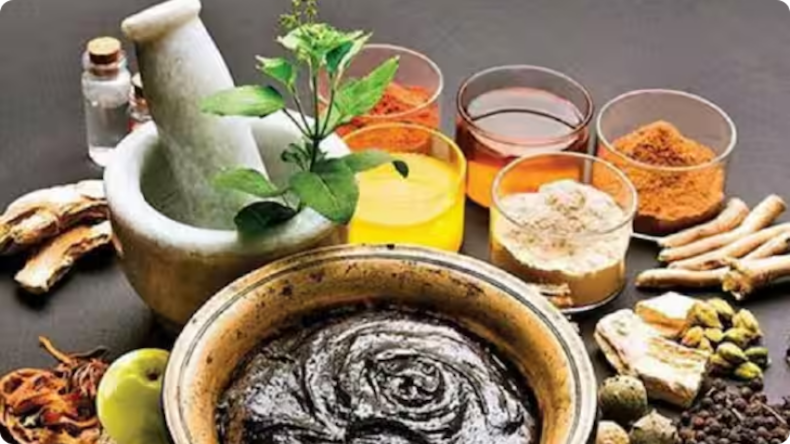
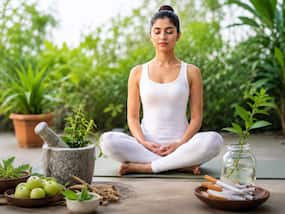
The word “Ayurveda” is made of two Sanskrit words, ayur (life) and veda (knowledge), meaning “knowledge of life”. The origins of Ayurveda dates back to 3300-1300 BCE. Ayurveda is based on the belief that diseases occur due to an imbalance in a person. Hence, Ayurvedic treatment aims to regain the balance between the spirit, mind, body and the environment. In other words, Ayurveda focuses on improving the health of the person, preventing illnesses, and treating illnesses through herbal remedies and practices such as yoga, massage and dietary changes.
Ayurveda is acknowledged as a traditional system of medicine by the World Health Organization (WHO). The formal definition of “health” was adapted by the WHO from Ayurvedic teachings.
Basic Concepts Of Ayurveda
According to Ayurveda, doshas, dhatus, and malas constitute the human body.
Doshas
Ayurvedic literature states that the human body is made up of three doshas that are formed from the five basic elements of nature, i.e., fire, water, air, earth and space. The three doshas and their control on various body and mental processes are discussed below:
Doshas →
Attributes ↓
Vatta
Pitta
Kapha
Represents the elements
Air and space
Fire and water
Earth and water
Controls bodily functions
Breathing, heartbeat, and muscle and joint movement
Metabolism, digestion, skin colour and intelligence
Physical structure and the immune system
Influences psychological responses
Nervous system functions such as pain, anxiety and fear
Hate, anger and jealousy
Forgiveness, calmness, greed and love
The body requires a balance of these three doshas to function optimally. Hence, an imbalance in any of the three doshas results in illnesses.
Dhatus
Dhatus are basic tissues of the body. According to Ayurveda, the body has seven Dhatus; therefore, it is also referred to as saptadhatus. The seven dhatus are as follows:
Rasa (plasma)
Rakta (blood cells)
Mamsa (muscle tissues)
Meda (fatty tissues)
Asthi (bone tissue)
Majja (bone marrow and nervous tissues)
Shukra (reproductive tissue)
Malas
Malas are waste products that are excreted from the body. They are classified into:
Purisha (stool)
Mutra (sweat)
Sweda (sweat)
Diagnosis
With diagnostic procedures, Ayurvedic practitioners aim to find the cause of the disease and the mode of treatment that can be applied. The practitioner initially performs a physical examination that consists of inspection, percussion, palpation and interrogation. Subsequently, examination of the following factors is done to assess the physical status and strength of the body:
Vaya (age)
Saar (tissue quality)
Satva (mental strength)
Samhanan (physique)
Satmya (specific adaptability)
Vyayaam shakti (exercise capacity)
Aaharshakti (diet intake capacity)
Based on the above examination, the practitioner decides that the person has heen bal (low strength), madhyam bal (moderate strength), or pravar bal (excellent strength).
Treatment
Treatment in Ayurveda is based on the concept that every person has intrinsic energy that can help the body to get back to a balanced or healthy state. Therefore, Ayurvedic treatment aims to strengthen the healthy elements in the body and help it to recover instead of fighting the disease (or the disease-causing organism). The technique of healing the body with its own energy is referred to as swabhavoparamavada in Ayurveda.
Treatments in Ayurveda consists of the following:
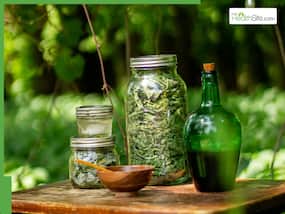
Herbs and herbal formulations
An Ayurvedic doctor determines the applications of herbs in medicinal treatment based on the following three characteristics of herbs:
Taste (ras)
Active potency (virya)
Post-digestive effect (vipak)
The use of Ayurvedic herbs and herbal formulations is based on the science and knowledge of plants, including their effects on human psychology, physiology and biochemistry. Ayurveda takes into consideration that herbs can have other than beneficial effects on the body or mind.
Panchakarma
This treatment is recommended to remove the toxin (ama) or toxins from the body. It is a multi-step treatment procedure and includes:
Nasal treatment (nasya)
Massage
Steam treatment
Medicated enema (basti)
Blood-letting
Induced vomiting (vamana)
Using laxatives consisting of herbs and oils (virechana)
These treatments are accompanied by strict dietary and herbal regimen, rejuvenating therapy and specific dinacharya (daily routine).
Shirodhara
In this therapy, medicinal oils are poured or allowed to drip on your forehead. The Ayurvedic practitioner determines the type of oil to be used and the overall number and duration of the therapy required.
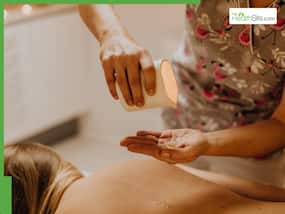
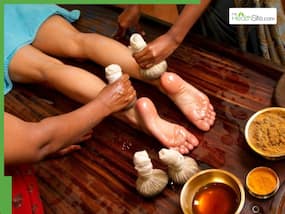
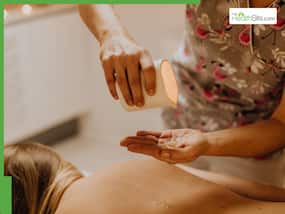
Ayurvedic massage
This therapy involves massages using specialised oils prepared based on your diagnosis.
Diet and nutrition
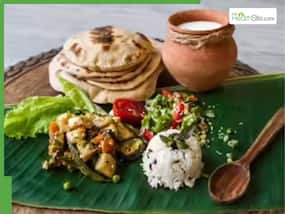
Ayurveda recognises the importance of diet and nutrition in treatment and recovery. The Ayurvedic dietary regimen varies with the bodily needs of each individual, but it basically constitutes the following six primary tastes:
Salty: To maintain the body’s water-electrolyte balance
Sweet: To provide strength and nourishment to the tissues
Pungent: To improve digestion and absorption
Sour: To improve digestion
Astringent: To improve absorption in the digestive tract
Bitter: To stimulate all other tastes
Lifestyle And Management Of Conditions As Per Ayurveda
Ayurveda usually prioritises the promotion of health and disease prevention over disease treatment. Apart from drugs and therapies (Oushadha), Ayurveda believes that health and diseases are dependent on two other factors, namely, diet (Ahara) and lifestyle practices (Vihaara).
Pathya refers to foods that are wholesome and do not harm the human body. These are foods that nourish and protect the tissues and promote growth and development. On the other hand, foods that are considered harmful or not beneficial for the body are called Apathya. Some major conditions and the foods that are recommended or restricted in people with these conditions are discussed below:
1. Piles (Arsha):
Apathya: Eating black gram, fish or dry foods that induce constipation
Pathya: Buttermilk, barley, wheat, etc.
2. Rheumatoid arthritis (Aamavata):
Apathya: Consuming fish, curd, eating incompatible foods, not following mealtimes, etc.
Pathya: Castor oil, old rice, garlic, buttermilk, hot water, drumstick, etc.
3. Skin conditions (Kushta):
Apathya: Eating uncooked food, overconsumption of sour and salty foods, etc.
Pathya: Wheat green gram, old barley, old ghee, etc.
4. Diabetes (Madhumeha):
Apathya: Overuse of sugar products, milk products and fresh grains in the diet.
Pathya: Old wheat, barley, green gram, etc.
Ayurvedic literature mentions dinacharya (daily routine), ritucharya (seasonal routine) and sadvritta (good conduct) as parts of ideal lifestyle measures to achieve a healthy body free of diseases. These parts of lifestyle measures are discussed in detail below:
Dinacharya (daily routine)
Ayurveda recommends certain daily practices that lead to a healthy lifestyle such as:
Wake up preferably between 4 am and 5:30 am, a period known as Brahma Muhurta.
Shave, cut nails, and get a haircut regularly.
Clean the tongue with a soft brush made of twigs of herbs such as Karanja and Khadira that cleanse the tongue as well as improve digestion.
Exercise regularly to increase blood circulation, build up stamina and improve the body’s resistance against diseases.
Bathing helps to clean impurities and improve appetite, enthusiasm, and sexual vigour.
Massage the body daily with dry powders of kola, yava, and kulath.
Ritucharya (seasonal routine)
Ayurvedic literature divides the whole year into six seasons and recommends a specific dietary regimen for each season, including:
1. Spring season:
Hot, astringent and bitter foods are recommended.
Eat barley, wheat, honey syrup, and fruits such as mango and jackfruit
Avoid sweet, salty and sour foods.
2. Summer season:
Liquid, cold, sweet and oily diet is recommended.
Eat rice, sugar, ghee, and drink milk and coconut water.
Avoid excessive spicy, hot, salty, and sour diet.
3. Rainy season:
Hot, sour, sweet, salty, dry, and easily digestible foods are recommended.
Eat wheat, barley, rice, and mutton soup.
4. Pre-winter and winter seasons:
Hot, sour, sweet and salty diet is recommended.
Have rice, sugarcane, oils and fats.
5. Autumn season:
Bitter, pungent and sweet foods are recommended.
Consume ghee processed with bitter drugs.
Following a light diet and blood-letting and purgation are recommended.
Sadvritta (rules of good conduct)
Sadvritta consists of certain rules and principles of right conduct that Ayurveda recommends all people to practice at all places and at all times to maintain a harmonious and balanced mind. Some of these principles include:
Always speak the truth
Be patient
Keep your surroundings clean
Observe self-control
Do not lose your temper
Spend some time in the service of God and of the wise and elderly individuals.
Meditate every day
Dharniya and adharniya vega
Ayurvedic literature also mentions a few preventive measures (dharniya and adharniyavega) to ensure mental, physical and spiritual well-being. Ayurveda suggests that one should not suppress any of the natural urges of the body as it may lead to diseases. Some of the body’s natural urges (non-suppressible urges) include the urge to:
Yawn: Its suppression may lead to diseases of the ear, eyes, nose and throat
Sneeze: Its suppression may lead to cough, hiccups, loss of appetite and pain in the chest.
Pass stools: Its suppression may lead to headache, indigestion, pain and gas in the abdomen.
Pass urine: Suppression of the urge to urinate may lead to difficulty passing urine, urinary stone, urinary tract inflammation.
Release tears: Its suppression may lead to digestive disorders, mental disorders and pain in the chest.
Hunger and thirst: Its suppression may lead to debility and nutritional disorders.
Ayurveda also recommends that one should avoid indulging in suppressible urges such as fear, greed, pride, grief, envy, shamelessness and excessive passion.
Is Ayurveda Safe?
Although Ayurvedic medicine has been discussed in a number of research papers, only a limited number of clinical trials have been performed to study its effectiveness and safety. Currently available studies and research papers report Ayurvedic therapies as effective. However, studies conducted on the safety of Ayurvedic medicine have reported the following:
Some Ayurvedic products may contain metals such as mercury, lead and arsenic that cause harm.
A case report published in 2015 reported an increased blood lead level in a 64-year-old woman after using an Ayurvedic preparation bought online.
A survey published in 2015 reported that about 40% of the individuals on Ayurvedic preparations showed elevated blood lead and mercury levels.
Some studies suggest that Ayurvedic preparations have the potential to cause arsenic poisoning in some people (rare).
All Ayurvedic treatments should be performed by or under the supervision of a trained Ayurveda practitioner.
Ayurveda wellness tips: Here is how a doctor tells you about your inner health just by looking at your face. Science says everything is hidden inside your skin, tongue and eyes. Read on to know more.
Brahmi has long been used in Ayurveda for brain health. Discover whether modern research supports its role in improving memory, focus and cognitive function.
Are you suffering from strained and tired eyes? Try to include amla or Indian Gooseberry into your diet to improve your vision and eyesight. Read on to know the best way to add this superfood to your daily diet routine.
Are you prone to skin problems and acne issues during the monsoon? Ayurvedic expert shares how adding a few neem leaves in your diet can help cure skin problems, especially during the rainy season.
Can ashwagandha ease everyday stress? Here's what an expert suggests may happen after taking it consistently for eight weeks including potential benefits and important considerations.
Ashwagandha has been extensively studied for its potential role in stress management. An expert explains the science, benefits, limitations and what current research suggests.
Struggling with mouth ulcers? Discover Ayurveda-backed remedies that may help soothe mouth ulcers naturally from cooling herbs to simple dietary changes that support oral healing and comfort.
On World No Tobacco Day 2026, an Ayurveda expert explains how yoga, herbal remedies, detox therapies and mindful lifestyle changes may support tobacco recovery naturally.
Is there any Ayurvedic cure for snoring? Yes, there is! Scroll down to know how you can manage this problem without popping end number of pills and stay safe from antibiotic side effects as well.
Here are 5 simple Ayurvedic habits to reduce inflammation naturally, boost overall health, and support your body's healing with easy everyday lifestyle changes.
Herbal remedies are often believed to cure Cancer but an expert claims that scientific evidence shows they lack proven clinical effectiveness despite promising laboratory results.
Self-care is not to be taken as an additional activity to include in your to-do list. It is something that must fit in your lifestyle rather than vice versa.
Cloves have natural antiseptic and pain-relieving properties, often used for dental issues and improving digestion. They are also used in aromatherapy to reduce stress and in cooking for their strong flavour. Scroll down to know how your body changes when you chew 1 clove daily.
Giloy Health Benefits: Giloy, also known as Guduchi, is an ancient herb that is packed with an array of benefits. Popular for its immunity-boosting properties, Giloy helps in actively fighting against various pathogens. It has been a part of Indian medicine for a very long time.
Patanjali Ayurveda Centre: How Kalmegh, the most powerful Ayurvedic herb, helps cure severe liver diseases - from fatty liver to jaundice, scroll down to know the medicinal benefits of this herb.
Know essential Ayurvedic postpartum care tips, including do's and don'ts during the sutika period, to support faster recovery, hormonal balance, and overall well-being for new mothers.
Are you dealing with excessive bloating and acidity lately? Beware! Your mental health status could be the root cause. Scroll down to know how to heal the gut with Ayurvedic tips.
Simple practices like Abhyanga (self-massage) and proper hydration can help cleanse the body, improve circulation, strengthen immunity and support overall well-being.
#FitIndiaHitIndia: Castor oil is a simple and natural solution that fits easily into our everyday hair care routine. Expert highlights that when you use castor oil correctly and consistently it can support healthier, thicker-looking hair without relying on chemical-based products.
Published by Poorva Chavan | March 10, 2015 5:42 PM IST
By clicking “Accept All Cookies”, you agree to the storing of cookies on your device to enhance site navigation, analyze site usage, and assist in our marketing efforts. Cookie Policy.