


Angina
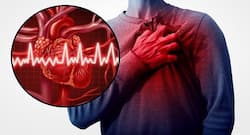
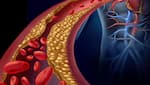
VerifiedAngina, known as angina pectoris, is used to describe chest pain or a feeling of tightness, heaviness and discomfort in the chest because of inadequate blood oxygen supply to heart muscles. The insufficient supply of oxygen is primarily attributed to the narrowing of arteries carrying blood to the heart (coronary arteries). It is the primary symptom of coronary heart disease and is commonly mistaken as an indigestion-related symptom. Angina often occurs when a person is under emotional or physical stress. Although pain is commonly felt in the chest, often pain in the shoulders, arms, neck, throat, jaw, abdomen or back is experienced. There are different types of angina. Stable angina is the most common type of angina, which suggests the possibility of getting a heart attack in the near future. Unstable angina is severe compared to stable angina and requires emergency treatment. In this section, you will find articles, including the risk of a heart attack in night-shift workers; angioplasty and tips to keep your heart healthy.
View More














 6 Photos