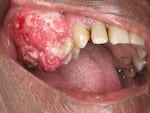
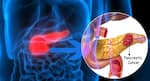
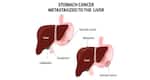
Cancer is a disease characterized by the uncontrolled growth of cells anywhere in the body. This abnormal cellular growth can spread to the rest of the body. When this uncontrolled growth happens in solid tissue like an organ, muscle, or bone, it forms a

Chronic myeloid leukaemia

Chronic myeloid leukaemia

CML stands for chronic myeloid leukaemia, and it is a type of slow blood cancer. This cancer starts in the blood-forming cells of the bone marrow and invades the blood. In CML, leukaemia cells tend to build up in the body over time, but in many cases people don’t have any symptoms for at least a few years. With time, these cells invade other parts of the body, including the spleen. CML can also change into a fast-growing form known as acute leukaemia which is capable of invading any organ in the body. Most people with CML have Philadelphia chromosome – a gene mutation wherein chromosome 9 and chromosome 22 are interchanged. Chronic Myeloid Leukaemia (CML) is the most common adult leukaemia in India that affects people between the age groups of 30 and 60. It is more common in males than in females with almost 0.8 to 2.2 males out of 100,000 being diagnosed every year. With these startling statistics, it is about time people woke up to the possibility of contracting this disease. Dr Shyam Agarwal, senior consultant at Sir Ganga Ram Hospital, New Delhi, tells us more about the most common form of blood cancer in adults.

View More
Colorectal Cancer

Colorectal Cancer

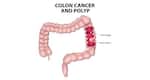
When a cancerous growth originates in the colon and then spreads to the rectum, it leads to colorectal cancer. It is the second most common form of cancer in the western world. The risk of colorectal cancer is higher after the age of fifty years. Experts have suggested that smoking, fat-rich diet, Crohn’s disease and colitis are some of the risk factors for this disease. The symptoms of colorectal cancer include bowel disorder (diarrhea or constipation), abdominal heaviness, bloody stool, bloating, abdominal cramps, nausea, vomiting, weight loss and tiredness. Diagnostic test like colonoscopy helps diagnose the severity of such a condition. For treatment of colorectal cancer, surgery (if detected in early stage), chemotherapy, radiation therapy and sometimes combination therapy are mostly recommended. Read about cancer -- causes, symptoms, diagnosis, treatment and prevention.

View More
Esophageal cancer

Esophageal cancer

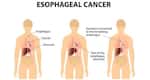
Cancerous growth in esophagus leads to esophageal cancer. Such growth occurs in the inner lining of the organ. The primary cause of such type of cancer is mutation of the DNA in esophageal cells. But there are certain risk factors which increases the probability of getting such disease. Treatment procedure mainly depends on the stage of tumour (severity of tumour). The small tumour can be successfully removed by surgery. In later stages, surgical removal of esophagus is recommended. Apart from these, chemotherapy and radiation therapy are the two main options for the treatment of esophageal cancer.

View More

Melanoma

Melanoma

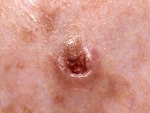
Melanoma, a tumour formed because of malignant transformation, is one of the most dangerous forms of skin cancer. Melanoma is difficult to manage after metastasis as the survival rate of the patient significantly drops. Hence, prompt diagnosis and early treatment are the best management for melanoma. Melanoma affects only 22.1 out of 10,000 individuals residing in the USA. Melanoma accounts for 75% of skin cancer mortality and only ~4% of skin cancer cases. Because of the high death rates associated with metastatic melanoma, an improved understanding of melanoma pathogenesis is the requirement of the hour. 

View More

Tumour And Cancer Diseases News

View All

Health A-Z

Find a topic by its first letter

Tumour And Cancer Diseases Videos

View All

Tumour And Cancer Diseases Photos

View All

Latest News

View All